
Life with a dog should feel enjoyable, not like a constant battle.
Everyday Training focuses on practical, reward-based dog training skills that make life calmer, more predictable, and more rewarding for you both.
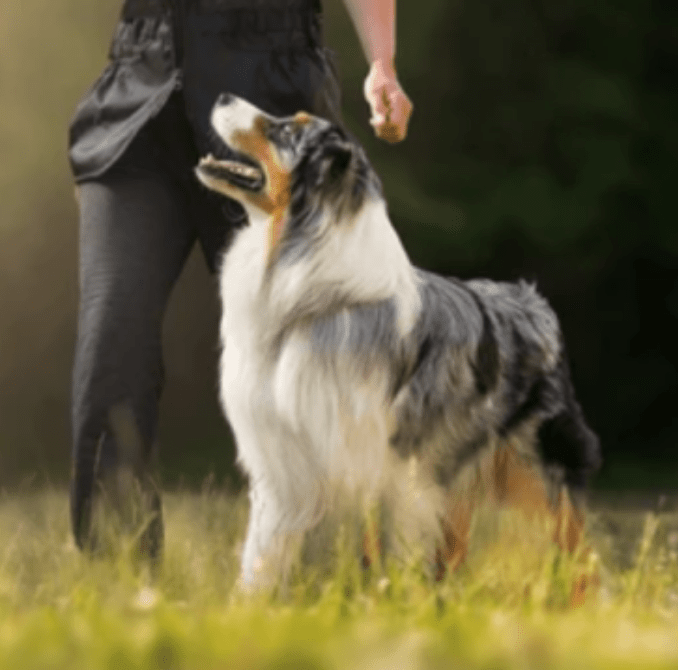
Whether you’re starting from scratch, feeling overwhelmed, or have tried dog training before and found it didn’t stick, these one-to-one training sessions are designed to meet you where you are. Training should be a safe, supportive space — not somewhere you feel judged or afraid to get it wrong.
From recall and loose-lead walking to building calmness, focus, and confidence, I support pet dog owners using kind, reward-based training methods tailored to your dog and your lifestyle — because real life isn’t a training hall.
While the skills below are grouped into four key areas, they often overlap. Difficulties with focus, impulse control, over-excitement, frustration, or switching off are usually part of the picture — and are addressed naturally within training.
Recall

A reliable recall is one of the most important skills your dog can learn. Good recall training keeps your dog safe, gives them appropriate freedom, and allows you to enjoy walks with more confidence and less stress.
Recall training includes:
- Teaching a strong, consistent recall
- Building reliability around real-world distractions
- Gradually increasing distance and difficulty
- Creating safe off-lead opportunities where appropriate
Loose-Lead Walking
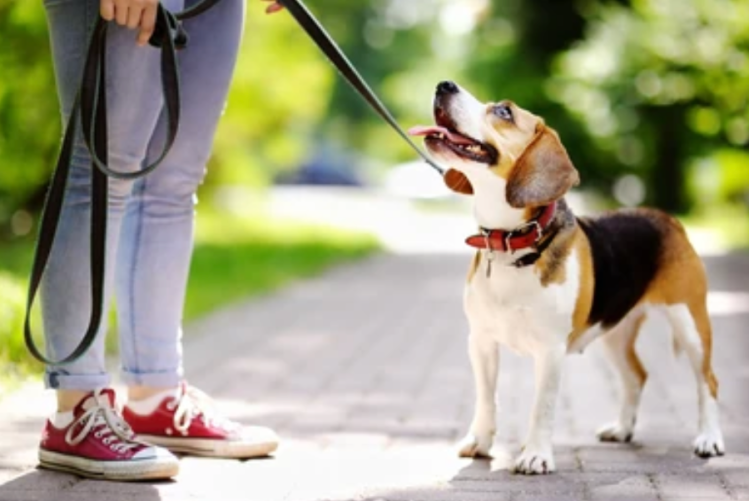
If walking your dog feels more like being dragged behind a freight train, you’re not alone. Loose-lead walking training isn’t about control — it’s about clarity, consistency, and teaching your dog how to walk calmly with you.
Loose-lead walking training includes:
- Understanding why pulling happens
- Choosing the right equipment for your dog
- Teaching clear walking rules and expectations
- Building duration and focus
- Managing everyday distractions on walks
Calmness and settling

A dog who can settle and relax is far easier — and far more enjoyable — to live with. Calm behaviour is a skill that can be taught and practised, both at home and out in the world.
Many owners dream of taking their dog to a café or pub and actually enjoying the moment — not spending the whole time apologising or managing chaos. Teaching calmness makes those everyday pleasures possible.
Calmness training includes:
- Teaching your dog to settle on cue in a designated spot
- Supporting calm behaviour in stimulating environments (cafés, parks, social settings)
- Building relaxation into everyday life
- Gradual, thoughtful exposure to triggers
Building confidence

Confidence underpins so much of a dog’s behaviour. When dogs feel safe and capable, they cope better with everyday life and make better choices.
Confidence-building training includes:
- Positive, controlled exposure to new environments
- Confidence-building problem-solving exercises
- Encouraging independence and decision-making
- Supporting shy, anxious, or reactive dogs at a pace they can cope with

Training is a process rather than a quick fix. These dog training sessions focus on helping you understand your dog, to practise skills between sessions, and create changes that last – not just behaviours that work on the day.
If, during training, it becomes clear that your dog’s difficulties are linked to anxiety or a broader behaviour issue, we’ll always talk through the most appropriate next steps together.
Pricing – one-to-one dog training:
Training support is offered as one-to-one sessions or short packages, depending on what will best support you and your dog. When learning new skills, most dogs benefit from ongoing support rather than a single session.
- 90-minute training session: £85
- 60-minute training session: £65
Follow-up packages are available:
- Single session which can be booked on an ad-hoc basis: £65 (60 minutes)
- 2 × 60-minute sessions: £125
- 3 × 60-minute sessions: £180
A flat travel fee may apply for sessions outside my local area. Any travel charges will be confirmed prior to booking.
Everyday training skills workshops
These small-group dog training workshops run at selected times throughout the year. Numbers are limited to keep sessions supportive, safe, and productive for all dogs.
- Loose lead walking workshop (2 days): £80
- Recall workshop (2 days): £80


 Leaps & Bounds Dogs